
Product Application
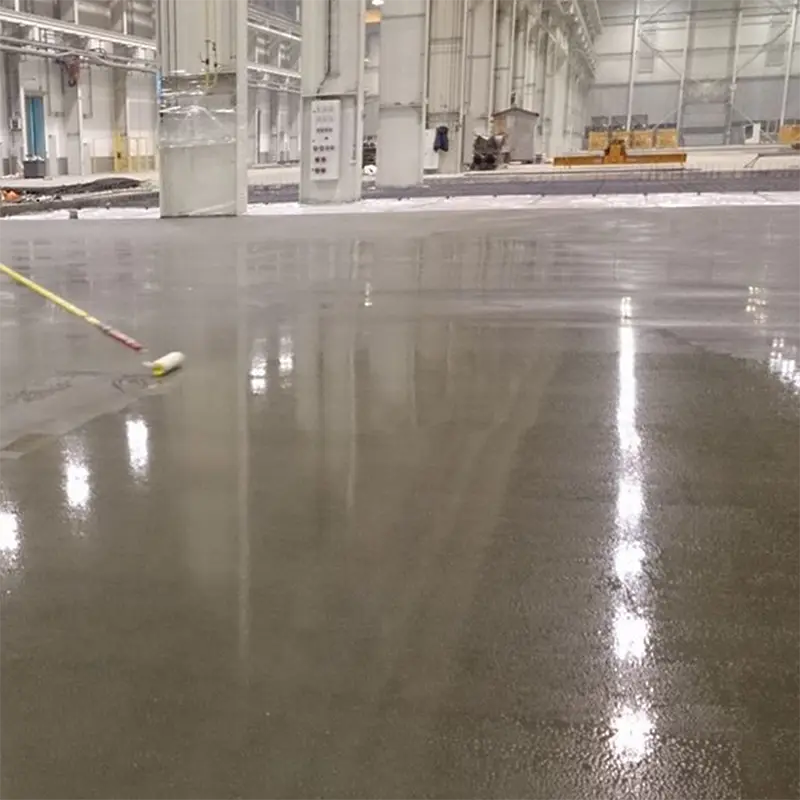
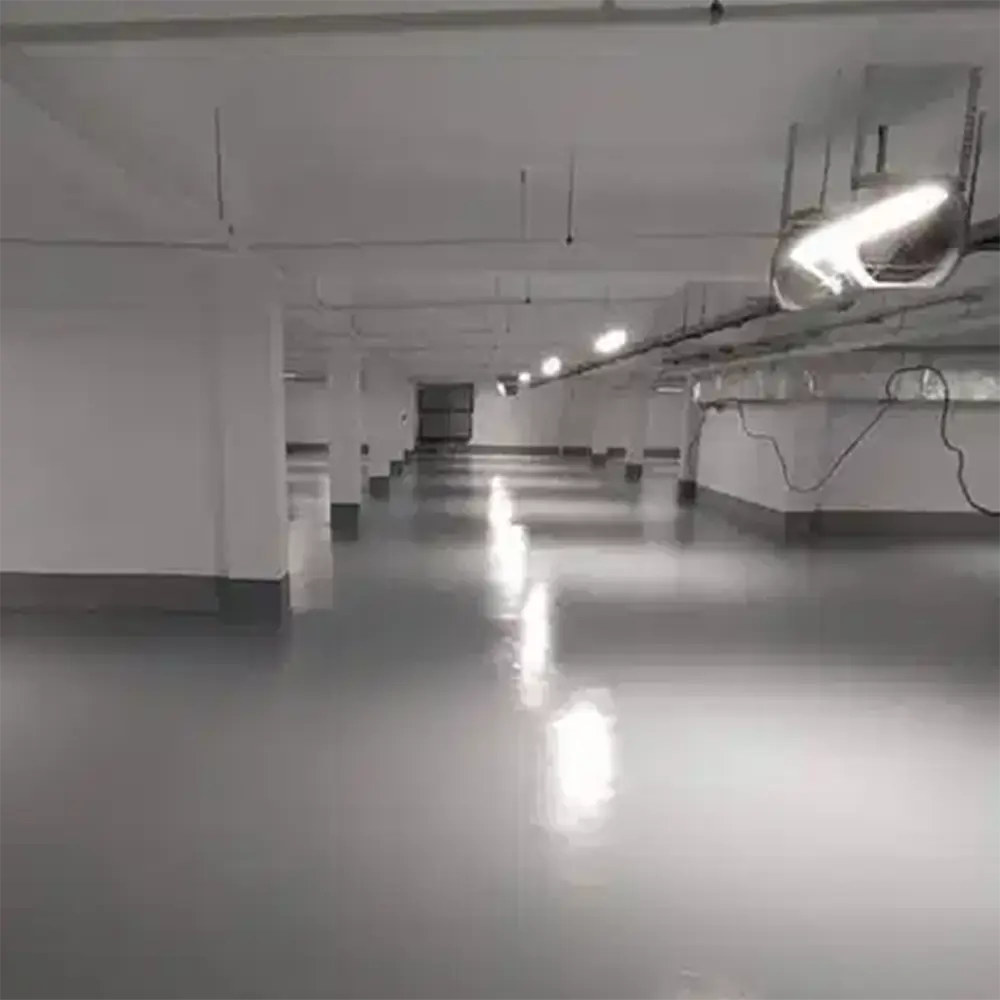
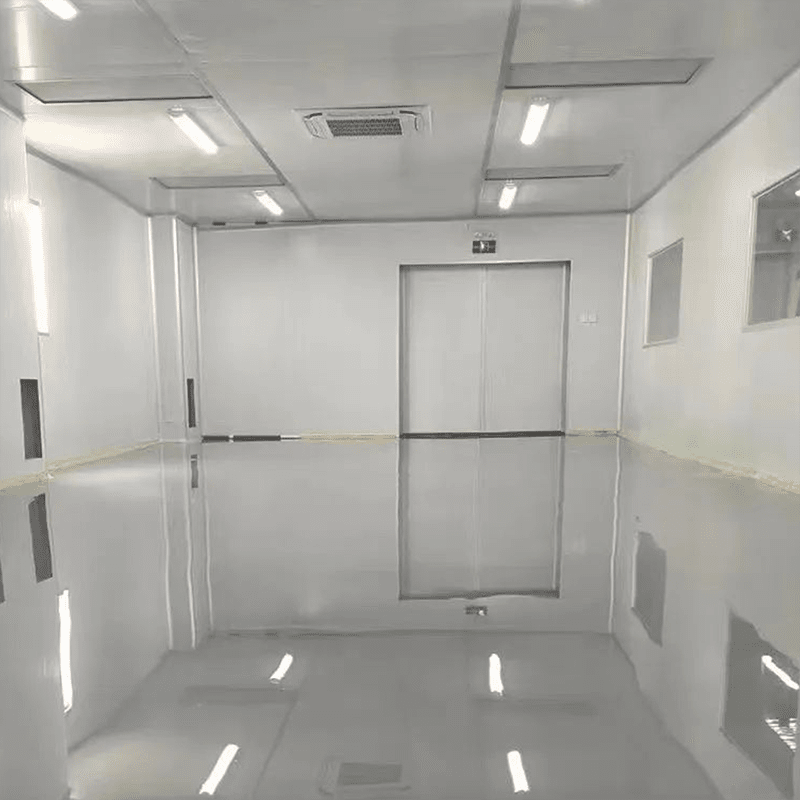
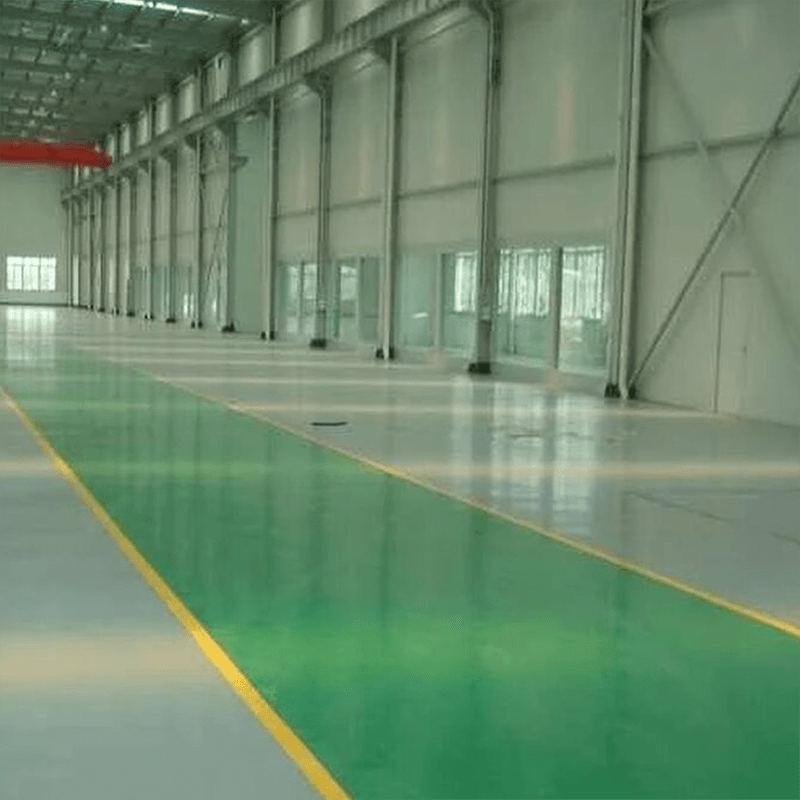
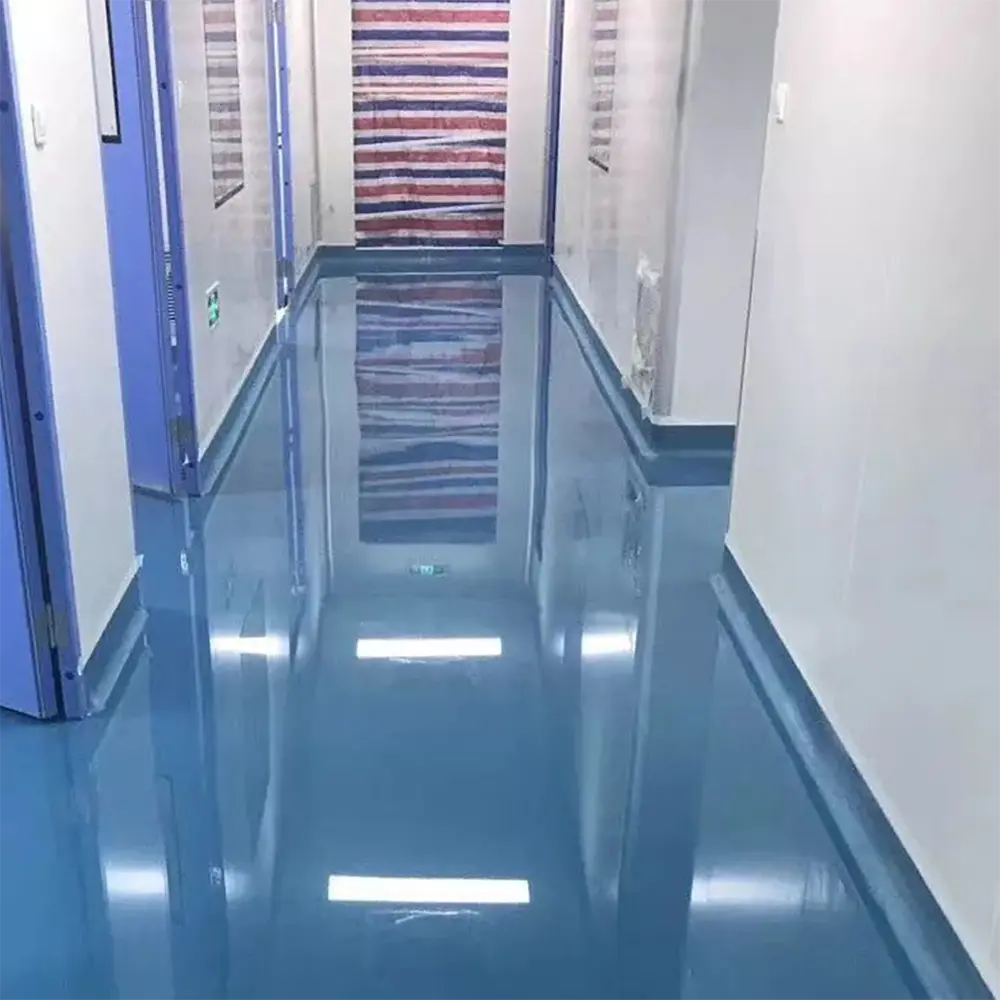
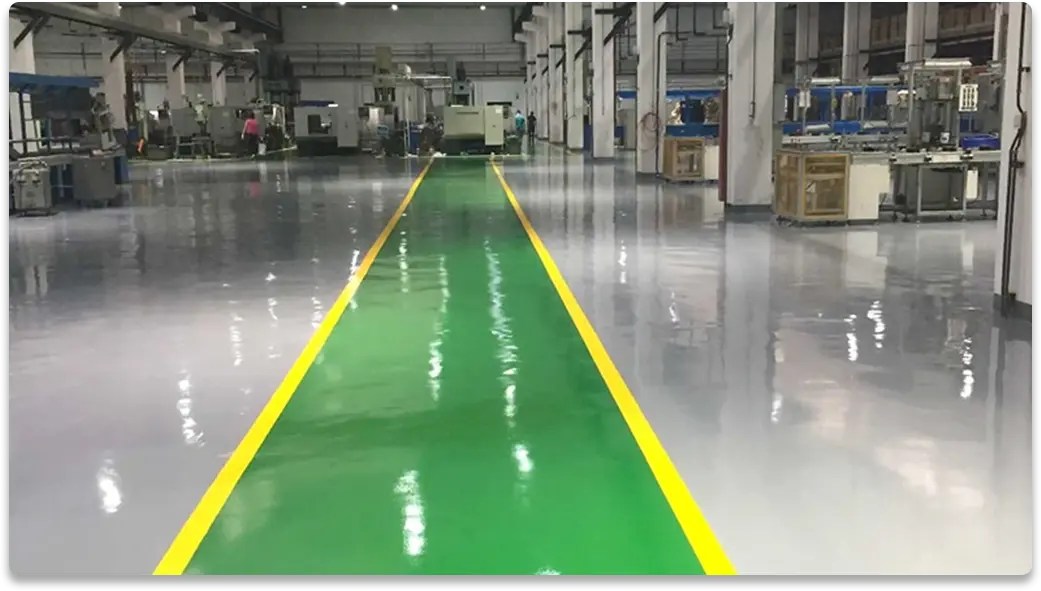
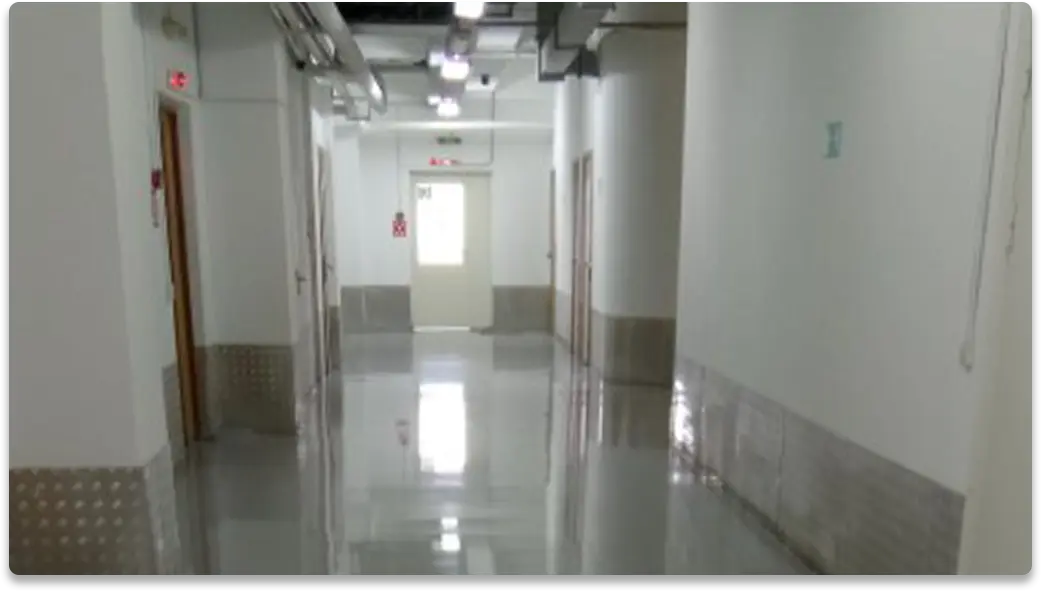
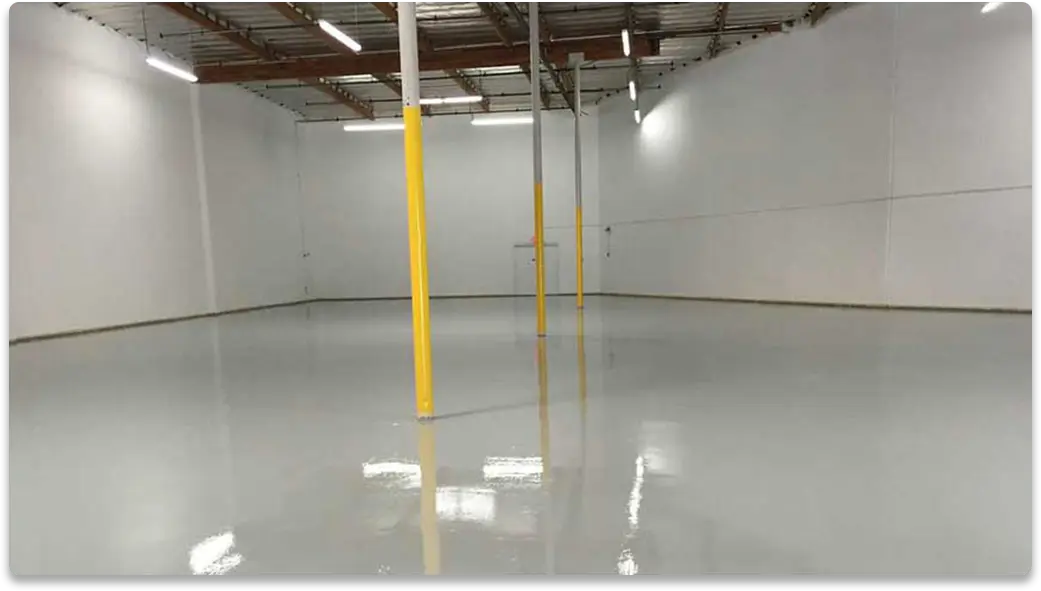
Epoxy self-leveling floors are mainly used in electronics, food, precision instruments, pharmaceutical chemicals, communication equipment, electricity, and other fields.
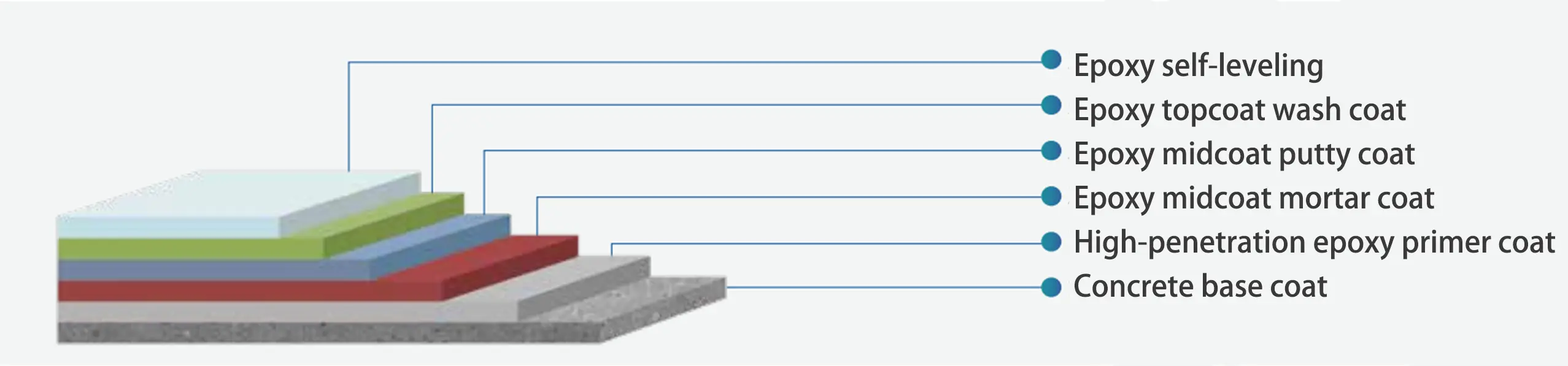
Epoxy Self-leveling Floors Coating Structure
Construction Technology
| Construction sequence | Construction process | Optional materials | Material quantity | Construction method |
| 1 | Concrete base layer | Grinding | ||
| 2 | Epoxy primer layer | KS-101 epoxy floor paint primer | 0.15-0.20kg/m² | Scraping |
| 3 | Epoxy mid-coat mortar layer | KS-102 epoxy floor paint mid coat | 0.30-0.40kg/m² | Scraping |
| 4 | Epoxy mid-coat putty layer | KS-102 epoxy floor paint mid coat | 0.10-0.15kg/m² | Scraping |
| 5 | Epoxy wash layer | KS-104 epoxy self-leveling floor paint | 0.05-0.10kg/m² | Scraping |
| 6 | Epoxy self-leveling flat paint layer | KS-104 epoxy self-leveling floor paint | 0.70-0.90kg/m² | Troweling |
| Process name | Specific practices and requirements | Reference dosage |
| Base surface treatment | Use a professional floor grinder to grind the base surface as a whole, then remove the base surface slurry and attached debris, curing agent, and hardener. Use epoxy intermediate coating and quartz sand to repair the cracked part, and finally remove dust and clean it up, in order to enhance the adhesion of the base surface. | |
| Base coating | 1. Use a high-solid epoxy primer: the main paint and curing agent are mixed in proportion and stirred evenly. 2. Use a roller to roll evenly without missing any paint. The purpose is to seal the floor surface. |
0.15~0.2KG/㎡ |
| Mortar layer | 1. Use high-solid epoxy intermediate paint: the main paint and curing agent are mixed in proportion and then 40~100 mesh quartz sand is added and stirred evenly. 2. Use a knife to scrape the whole surface 1~2 times. 3. After curing, polish the defects such as knife marks, and clean them up. The purpose is to increase the ground's resistance to heavy pressure and impact. |
0.7KG/㎡/MM |
| Putty layer | 1. Use high-solid epoxy mid-coat: mix the main paint and curing agent in proportion, add the appropriate amount of filler (such as quartz powder, or talcum powder), and stir evenly. 2. Use a trowel to scrape 1~2 times, focusing on filling the pits and defects on the ground. 3. After curing, polish the defects such as the trowel marks, and clean them with a vacuum cleaner, feather duster, wrung wet towel, etc. The purpose is to further repair and level the ground to prepare for the topcoat construction. |
0.2~0.3KG/㎡ |
| Sealing layer | 1. Use a high-solid epoxy topcoat, mix in proportion, and stir evenly. 2. Use a trowel for closed leveling. |
0.1~0.2KG/㎡ |
| Top coating | 1. Use high-solid epoxy self-leveling flat paint, mix the main paint and curing agent in proportion, and stir evenly. 2. Use a prepared toothed trowel for self-leveling troweling or spray with an airless sprayer. |
1.4KG/㎡/MM |
Color Customization

Finished Product Maintenance
· After the epoxy floor is constructed, it needs to be cured for 7-10 days before it can be put into use. During the curing period, water or other solutions should be avoided from soaking the surface.
· It is recommended that personnel entering the workshop change into rubber-soled shoes to avoid bringing mud and sand from outside into the workshop and scratching the floor.
· For hardware such as iron chairs, iron tables, iron shelves, etc., it is recommended to wrap their feet with soft plastic or rubber to avoid scratching the floor during use.
· The forklift needs to fully lift the pallet off the ground. Please pay special attention to the pallet corners when turning, and do not scratch the floor.
· Please use a soft mop or a wet and dry vacuum cleaner to clean the floor. It can be cleaned with clean water or detergent.
· Before the equipment enters the factory, it is recommended to lay a hard cardboard box as a bottom to avoid scratching the floor during transportation of the equipment.
· Please use hard or elastic rubber wheels for the wheels of carts and pallets. It is recommended to use them separately inside and outside the factory.